Foods That Increase Metabolism and Fat Burning: The Real Numbers

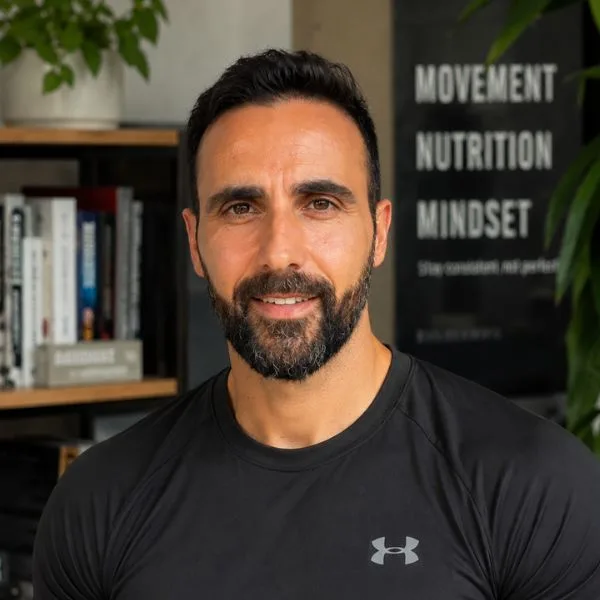 Technical accuracy reviewed by Marco Bellini
 No food burns fat. A few foods and drinks raise energy expenditure by tens of calories a day, and protein does it best. That is the entire ceiling on “metabolism-boosting foods.” Everything bigger comes from somewhere else: how much lean mass you carry, how many calories you eat in total, and how much you move outside your workouts.
This guide puts a measured number on each lever, so you can spend effort where it pays.
Do foods that boost metabolism actually work?
They work, on a small scale. Daily energy expenditure has three parts: resting metabolism, movement, and the energy cost of digesting food. That last part, the thermic effect of food (TEF), runs 5% to 15% of daily expenditure on a mixed diet [1]. Its main drivers are how much energy you eat and how much of it is protein or alcohol [1].
Notice the catch. TEF rises because you ate. You cannot eat your way to a larger net burn, because the calories that trigger the effect arrive with the food. Even protein, the most thermic nutrient, hands at least 70% of its calories back to you. Your TDEE estimate already includes the average cost of digestion, so a “thermic” grocery list does not create extra room in your calorie budget.
So the honest answer to “which foods boost metabolism?” is: slightly, and mostly the ones rich in protein. The sections below put a number on every claim.
What is the thermic effect of food, and which macronutrient has the highest?
TEF is the rise in energy expenditure after a meal, above your resting rate. Protein costs 20% to 30% of its own calories to process. Carbohydrate costs 5% to 10%. Fat costs 0% to 3% [2]. The expense comes from absorbing, processing and storing each nutrient [2].
The effect is temporary. The post-meal rise lasts several hours, and researchers typically treat it as finished about 10 hours after the last meal [1]. That is why “foods that boost your metabolism while you sleep” is a marketing line, not a mechanism.
Here is the arithmetic on protein. Say you eat 2,000 calories and move 300 of them from carbohydrate to protein, about 75 grams. At the measured ranges, that adds 30 to 75 calories of daily TEF. Useful. Small.
Protein’s bigger payoffs are indirect. In an eight-week overfeeding trial, 25 healthy adults ate diets with 5%, 15% or 25% of calories from protein. Resting expenditure and lean mass rose on the normal and high protein diets and did not rise on the low protein diet. Fat gain tracked calories, not protein [3]. How much protein to eat in a deficit, and why it protects muscle and appetite, is covered in how much protein you need to lose fat. Set your own number with the protein intake calculator.
Do whole foods boost metabolism more than processed foods?
Per meal, yes. Over a whole diet, the evidence says the gap matters less than the intake effect.
In a small trial, a whole-food cheese sandwich (multigrain bread, cheddar) drove a post-meal expenditure equal to 19.9% of the meal’s energy. The calorie-matched processed version (white bread, processed cheese product) drove 10.7% [4]. That is nearly a halving.
Now the larger test. In an NIH inpatient trial, 20 adults ate ultra-processed and unprocessed diets for two weeks each, matched for presented calories, sugar, sodium, fiber and macronutrients. On the ultra-processed diet they ate about 508 more calories per day and gained 0.9 kg. On the unprocessed diet they lost 0.9 kg [5]. Measured 24-hour expenditure was not lower on the ultra-processed diet [5].
Eat mostly whole foods, and do it for the intake effect. The sandwich result is one meal and two sandwiches. Do not scale it to a whole day.
Does fiber boost metabolism?
Not directly. Fiber earns its place through appetite and adherence, and the data there are strong. In the POUNDS Lost trial, 345 adults with overweight or obesity followed calorie-restricted diets for six months. Fiber intake was the strongest predictor of weight loss and of sticking to the diet, independent of macronutrient and calorie intake [6].
That is an association inside a randomized trial, not a fiber-only experiment, so it does not prove cause. The practical read: build meals around high-fiber whole foods such as beans, lentils, vegetables, intact grains and fruit, and treat the benefit as an easier deficit, not extra burn.
Does eating more often speed up metabolism?
No. TEF follows the total energy and protein you eat [1], not the number of meals. A review of the thermic-effect literature concluded that larger meals produce a higher TEF than frequent small ones [7]. The “six small meals stoke the furnace” idea has no support here. Pick the meal pattern that makes it easiest to hit your calories and protein.
Does coffee boost metabolism?
Yes, modestly and briefly. A meta-analysis of respiration-chamber studies found that caffeine alone raised 24-hour energy expenditure by 429 kJ, about 100 calories or 4.8% [8]. Catechin-caffeine mixtures produced the same rise, 428 kJ or 4.7% [8]. The caffeine is doing the work.
Two limits apply. First, these were short-term studies, so they cannot tell you whether habitual drinkers keep the same response. Second, look at fat oxidation. It rose significantly only with the catechin-caffeine mixtures, by about 12 g over 24 hours. The caffeine-only rise, about 9.5 g, did not reach significance [8]. And burning more fat is not the same as losing fat. If you eat more than you burn, the fat you oxidized gets replaced.
Does green tea boost metabolism?
In the same meta-analysis, green tea’s catechin-caffeine mixtures matched caffeine on energy expenditure, and the fat-oxidation edge appeared only in the mixtures [8]. The long game tells a different story. A long-term supplementation trial in adults found that green tea extract did not change resting energy expenditure, fat absorption or body composition [9].
Drink green tea because you like it. Unsweetened, it is a calorie-free drink, not a fat-loss tool.
Does spicy food boost metabolism?
A little. A systematic review of 20 trials and 563 participants concluded that capsaicinoids, the compounds in chili peppers, raise energy expenditure by about 50 calories a day, increase lipid oxidation and reduce appetite [10]. Trials varied in dose and size, and the reviewers described the compounds as a possible aid inside a broader weight-management program, not a magic bullet [10].
Fifty calories is a rounding error next to a 250 to 500 calorie daily deficit. Season your food with chili if you enjoy it. Do not buy capsaicin capsules as a fat burner.
What actually increases metabolism?
Four levers do the heavy lifting: protein, lean mass, total calories and non-exercise movement. Here is what each one is worth against the food tricks above.
| Lever | Measured or calculated size | Source |
|---|---|---|
| Move 300 calories a day from carbs to protein | About 30 to 75 calories a day of extra TEF (calculated) | [2] |
| Caffeine, short-term chamber trials | About 100 calories per 24 hours | [8] |
| Capsaicinoids | About 50 calories a day | [10] |
| Green tea extract, long term | No change in resting expenditure | [9] |
| 10 lb more muscle in place of fat | About 40 calories a day (calculated) | [11] |
| Change in non-exercise movement (NEAT) | Explained a 10-fold spread in fat storage during overfeeding | [12] |
Protein. Its thermic effect is the smallest of its benefits. Muscle retention and appetite control matter more, and our protein guide covers the targets.
Lean mass. Skeletal muscle burns about 13 calories per kilogram per day at rest, adipose tissue about 4.5 [11]. That is roughly 6 versus 2 calories per pound. Ten extra pounds of muscle in place of fat is worth about 40 calories a day. Muscle is not a furnace. Build it for strength and function, and protect it in a deficit, because every pound you keep is a pound you do not have to rebuild. Estimate yours with the lean body mass calculator.
Total calories. This is the lever that moves fat. In the overfeeding trial, calories, not protein, tracked fat gain [3]. In the NIH trial, a 508-calorie daily intake gap dwarfed every thermic effect on this page and pushed body weight in opposite directions [5]. Set your target with the calorie deficit calculator, and read what a calorie deficit is and how to calculate one for the mechanics.
Movement outside workouts. Sixteen volunteers overate by 1,000 calories a day for eight weeks. Non-exercise activity thermogenesis (NEAT), the energy cost of fidgeting, posture and daily tasks, accounted for two-thirds of the rise in daily expenditure. Changes in NEAT predicted fat gain (r = 0.77) and explained a 10-fold spread in how much fat people stored [12]. On the expenditure side, this is the largest lever you control. Walk more and stand more. The TDEE calculator shows how much your activity level moves your maintenance number.
Which foods are worth eating for a higher energy cost?
Choose by macronutrient and processing, since those are the two variables with data behind them. Protein-rich foods carry the highest thermic cost per calorie [2]. That means lean meat, fish, eggs, dairy, tofu and legumes. Whole, intact foods beat their processed versions on post-meal expenditure [4] and on how much you end up eating [5]. High-fiber plants make a deficit easier to hold [6].
No single item on that list “burns fat.” Together they make a diet where the same calories cost you a little more to digest, fill you up more, and leave less room for the foods that drive overeating. That is the whole trick.
How can you tell whether a metabolism booster claim is real?
Run three checks before a claim earns space in your diet.
- Was energy expenditure measured in humans? Calorimetry or a respiration chamber counts. Mouse data, cell studies and “supports healthy metabolism” copy do not.
- How many calories is the effect worth? Convert every claim to calories per day. Tens of calories is noise against a daily deficit.
- Does it hold beyond 24 hours? Caffeine looks good for a day. Green tea extract looked good short term and showed no long-term change in resting expenditure or body composition [9].
How do you turn this into a plan?
- Find your maintenance calories with the TDEE calculator.
- Choose a daily target with the calorie deficit calculator.
- Set your protein range with the protein intake calculator, then refine it with the lean body mass calculator if you know your body fat.
- Build meals around protein-rich whole foods and high-fiber plants.
- Keep coffee or green tea if you enjoy them. Skip caffeine and capsaicin supplements as fat burners.
This is general education, not medical advice. If you have a thyroid condition, diabetes or high blood pressure, are pregnant, or take medication, check with a clinician before adding caffeine or capsaicin supplements.
Start with step 1. Your maintenance number sets every other number on this page.
Frequently asked questions
Are there foods that boost metabolism?
Yes, but the effect is small. The thermic effect of food adds 5% to 15% of daily energy expenditure on a mixed diet [1], and protein-rich foods raise it most at 20% to 30% of their calories [2]. No single food burns fat: fat gain followed total calories in one overfeeding trial [3] and changes in non-exercise movement in another [12].
Which foods boost metabolism the most?
Protein-rich foods, because protein costs 20% to 30% of its calories to process versus 5% to 10% for carbohydrate and 0% to 3% for fat [2]. In one small trial a whole-food meal beat a processed one (19.9% versus 10.7% of meal energy) [4]. Caffeine adds about 100 calories per 24 hours in chamber trials [8] and chili compounds about 50 calories per day [10].
Do foods that burn fat actually exist?
No. Some compounds raise fat oxidation over 24 hours, such as catechin-caffeine mixtures (about 12 g) [8], but oxidizing fat is not the same as losing it. A long-term trial of green tea extract found no change in body composition in adults [9].
Which macronutrient has the highest thermic effect of food?
Protein, at 20% to 30% of its calories. Carbohydrate is 5% to 10% and fat is 0% to 3% [2].
How many calories does the thermic effect of food burn?
On a mixed diet, the thermic effect of food is 5% to 15% of daily energy expenditure [1], roughly 100 to 300 calories on a 2,000-calorie day. The rise lasts several hours after a meal [1]. Your TDEE estimate already includes it.
Does spicy food boost metabolism?
A little. A systematic review of 20 trials found capsaicinoids raise energy expenditure by about 50 calories a day and reduce appetite [10]. Doses varied across trials, and the authors framed it as a possible aid inside a weight-management program, not a substitute for one [10].
Does coffee or green tea boost metabolism?
Briefly. Caffeine raised 24-hour energy expenditure by about 4.8%, roughly 100 calories, in respiration-chamber studies [8]. Long-term green tea extract did not change resting energy expenditure or body composition in adults [9].
Does eating more often speed up metabolism?
No. The thermic effect follows the energy and protein you eat [1], and a review of the evidence concluded it is higher with larger meals than with frequent small ones [7]. Choose the meal pattern that helps you hit your calorie and protein targets.
Sources
- Westerterp, K. R. (2004). Diet induced thermogenesis. Nutrition & Metabolism, 1, 5. PMID: 15507147. ↗
- Tappy, L. (1996). Thermic effect of food and sympathetic nervous system activity in humans. Reproduction Nutrition Development, 36(4), 391-397. PMID: 8878356. ↗
- Bray, G. A., et al. (2012). Effect of dietary protein content on weight gain, energy expenditure, and body composition during overeating: A randomized controlled trial. JAMA, 307(1), 47-55. PMID: 22215165. ↗
- Barr, S. B., & Wright, J. C. (2010). Postprandial energy expenditure in whole-food and processed-food meals: Implications for daily energy expenditure. Food & Nutrition Research, 54. PMID: 20613890. ↗
- Hall, K. D., Ayuketah, A., Brychta, R., et al. (2019). Ultra-processed diets cause excess calorie intake and weight gain: An inpatient randomized controlled trial of ad libitum food intake. Cell Metabolism, 30(1), 67-77. PMID: 31105044. ↗
- Miketinas, D. C., Bray, G. A., Beyl, R. A., Ryan, D. H., Sacks, F. M., & Champagne, C. M. (2019). Fiber intake predicts weight loss and dietary adherence in adults consuming calorie-restricted diets: The POUNDS Lost study. Journal of Nutrition, 149(10), 1742-1748. PMID: 31174214. ↗
- Calcagno, M., Kahleova, H., Alwarith, J., Burgess, N. N., Flores, R. A., Busta, M. L., & Barnard, N. D. (2019). The thermic effect of food: A review. Journal of the American College of Nutrition, 38(6), 547-551. PMID: 31021710. ↗
- Hursel, R., Viechtbauer, W., Dulloo, A. G., Tremblay, A., Tappy, L., Rumpler, W., & Westerterp-Plantenga, M. S. (2011). The effects of catechin rich teas and caffeine on energy expenditure and fat oxidation: A meta-analysis. Obesity Reviews, 12(7), e573-e581. PMID: 21366839. ↗
- Janssens, P. L., Hursel, R., & Westerterp-Plantenga, M. S. (2015). Long-term green tea extract supplementation does not affect fat absorption, resting energy expenditure, and body composition in adults. Journal of Nutrition, 145(5), 864-870. PMID: 25740906. ↗
- Whiting, S., Derbyshire, E., & Tiwari, B. K. (2012). Capsaicinoids and capsinoids. A potential role for weight management? A systematic review of the evidence. Appetite, 59(2), 341-348. PMID: 22634197. ↗
- Wang, Z., Ying, Z., Bosy-Westphal, A., et al. (2010). Specific metabolic rates of major organs and tissues across adulthood: Evaluation by mechanistic model of resting energy expenditure. American Journal of Clinical Nutrition, 92(6), 1369-1377. PMID: 20962155. ↗
- Levine, J. A., Eberhardt, N. L., & Jensen, M. D. (1999). Role of nonexercise activity thermogenesis in resistance to fat gain in humans. Science, 283(5399), 212-214. PMID: 9880251. ↗